

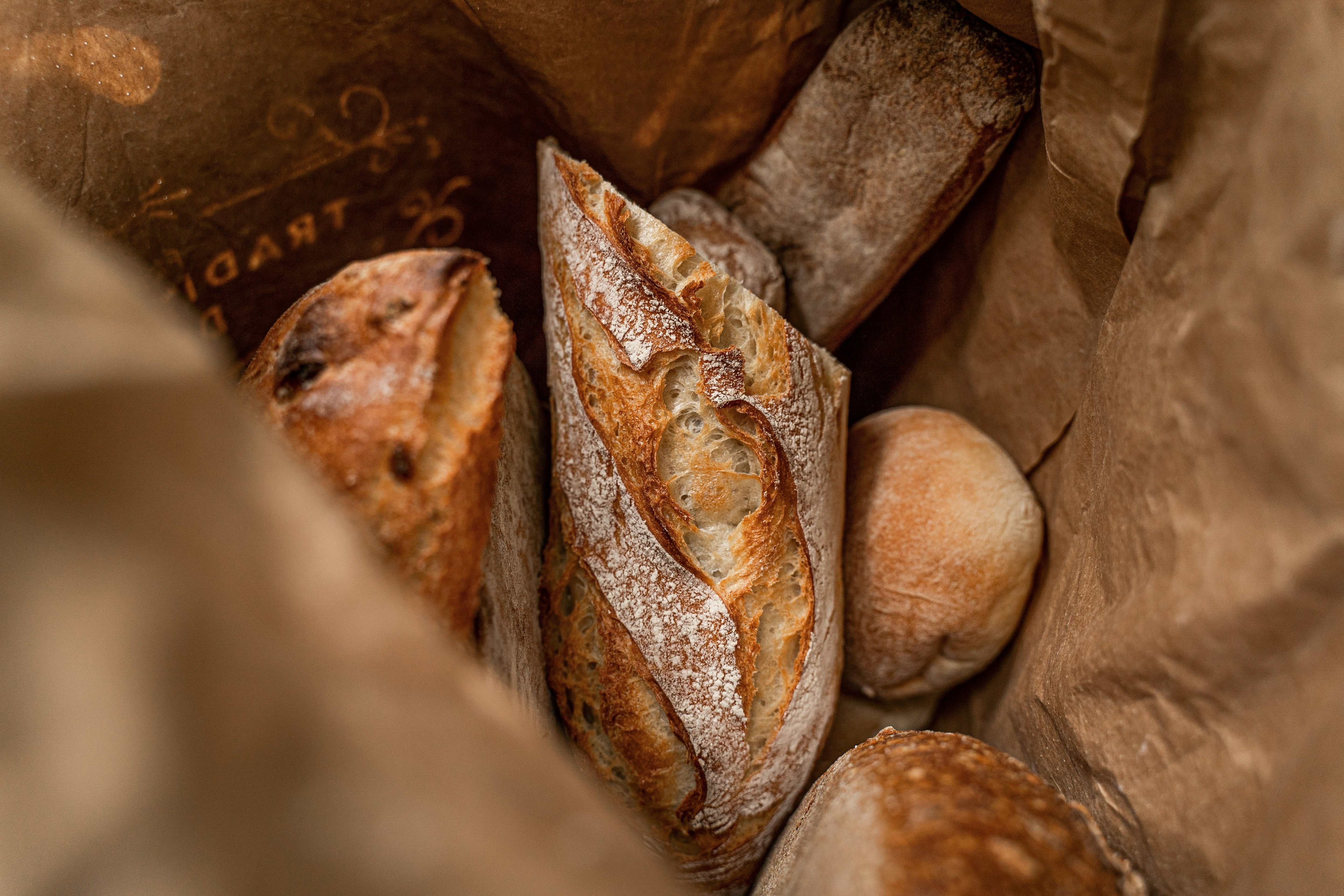
The French Diet: Tradition, Obesity, and Heart Health
The French diet has long been admired for blending pleasure with wellbeing. The famous “French paradox” describes the observation that, despite a diet often associated with cheese, butter, and wine, France historically recorded relatively low rates of heart disease. This phenomenon has intrigued researchers for decades (Renaud & de Lorgeril, 1992). However, dietary habits continue to evolve. As lifestyles change and reliance on processed foods increases, obesity and its related health risks are becoming a growing concern in France (Etilé, 2013).
Understanding the French Paradox
The concept of the French paradox highlights the apparent contradiction between the traditional French diet and historically low rates of cardiovascular disease. Researchers have explored whether factors such as portion control, meal quality, and lifestyle habits contribute to these outcomes (Renaud & de Lorgeril, 1992).
Traditional French Eating Habits
Traditionally, the French approach to food has focused on balance, quality ingredients, and mindful eating. Meals are often enjoyed slowly and socially rather than consumed on the go.
Fresh Ingredients and Moderate Portions
French cuisine has historically emphasized fresh vegetables, lean proteins, seasonal produce, and moderate portion sizes. These habits have been associated with lower obesity rates compared with several other Western countries (Rozin et al., 2003).
The Importance of Mealtime Culture
Beyond food choices, French culture places significant value on taking time to enjoy meals. Eating slowly and in a social setting may contribute to better appetite regulation and overall dietary balance.
How Modern Diets Are Changing in France
While traditional dietary patterns remain influential, modern lifestyles have introduced new challenges.
The Rise of Processed and Fast Foods
Fast-food chains, sugary snacks, and ultra-processed foods have become increasingly common in everyday diets. Combined with more sedentary lifestyles, these changes have been linked to rising obesity rates across the country (Darmon & Drewnowski, 2008).
Growing Obesity Rates
Current estimates suggest that approximately 17% of the French population is living with obesity (Olié et al., 2021). This trend reflects broader shifts in dietary habits and physical activity levels.
The Link Between Obesity and Heart Health
Obesity is a significant risk factor for several chronic health conditions, particularly those affecting cardiovascular health.
Cardiovascular Risks Associated With Obesity
Research has consistently linked obesity with an increased risk of hypertension, heart disease, and other cardiovascular conditions (Lavie et al., 2018).
Dietary Patterns That Support Heart Health
Traditional French meals that include vegetables, lean proteins, and moderate consumption of wine can align with heart-supportive dietary patterns. In contrast, higher consumption of refined carbohydrates, fast food, and sugary drinks is associated with poorer cardiovascular outcomes (Mozaffarian et al., 2011).
Public Health Responses in France
France has implemented several initiatives to address changing dietary habits and rising obesity rates.
The Programme National Nutrition Santé (PNNS)
The Programme National Nutrition Santé (PNNS) promotes healthier eating habits, improved nutrition awareness, and increased physical activity among the French population (Hercberg et al., 2010).
Expanding Interest in Medical Weight Management
Alongside lifestyle interventions, there is growing interest in medical approaches to obesity management, including weight-loss medications and clinician-led support programmes.
Conclusion
The French diet has supported health and wellbeing for generations and remains an important part of the country's cultural identity. However, changing lifestyles and increasing consumption of processed foods present new public health challenges. Through nutrition education, public health initiatives, and appropriate medical support, France has the opportunity to preserve its culinary heritage while improving population health. Enjoying balanced, nutritious meals can continue to play a central role in that effort.



Udostępnij:
GLP-1 Medications and Whey Protein: How to Protect Muscle While Losing Weight
Can weight management treatments influence alcohol consumption?