Ātra un diskrēta piegāde

Droši iepakots un izsekots

Izrakstīts reģistrētu ārstu

Katru ārstēšanu klīniski pārskata

Kliniskās ārstēšanas

Skaidras norādes katrā solī

Uzticējušies vairāk nekā 100 000 pacientu

Aprūpe, kas veidota ap pacientiem

Contraception - Médetone

About contraception

Orālā kontracepcija tiek izmantota, lai palīdzētu novērst grūtniecību un atbalstītu reproduktīvo veselību. Ir pieejamas dažādas tablešu iespējas, kas pielāgotas individuālajām vajadzībām un medicīniskajiem apsvērumiem.

Katra kontracepcijas iespēja tiek nodrošināta pēc medicīniskas novērtēšanas, lai pārliecinātos, ka tā ir piemērota tieši jums. Veselības aprūpes speciālista vadība palīdz noteikt vispiemērotāko risinājumu jūsu situācijai un dzīvesveidam.

Ar drošu tiešsaistes konsultāciju un piegādi mājās kontracepcijas iegūšana ir vienkārša un privāta, un nepieciešamības gadījumā ir pieejams pastāvīgs atbalsts.

Sāciet savu konsultāciju

Kā tas darbojas

Klīniski vadīta aprūpe, izstrādāta, lai būtu vienkārša no sākuma līdz beigām.

01
Pastāsti mums, no kurienes tu sācies
2 minūtes

Pastāsti mums, no kurienes tu sācies

Īss jautājumu anketa par jūsu veselības vēsturi un mērķiem. Nekas vispārīgs – tieši tas, ko jūsu ārsts patiesi pārskata.

02
Reāls klīnicists pārskata jūsu gadījumu
24 stundu laikā

Reāls klīnicists pārskata jūsu gadījumu

Nevis algoritms. Licencēts ārsts nosaka, kas jums ir piemērots, un izraksta recepti tikai tad, ja tas patiešām ir nepieciešams.

03
Ārstēšana, piegādāta un pārskatīta, kamēr tu turpini
Turpinās

Ārstēšana, piegādāta un pārskatīta, kamēr tu turpini

Diskrēta piegāde līdz jūsu durvīm, un jūsu klīniskā komanda seko līdzi jūsu plāna norisei, neļaujot jums to risināt vienatnē.

Sāciet savu konsultāciju

About contraception

Methods of Contraception

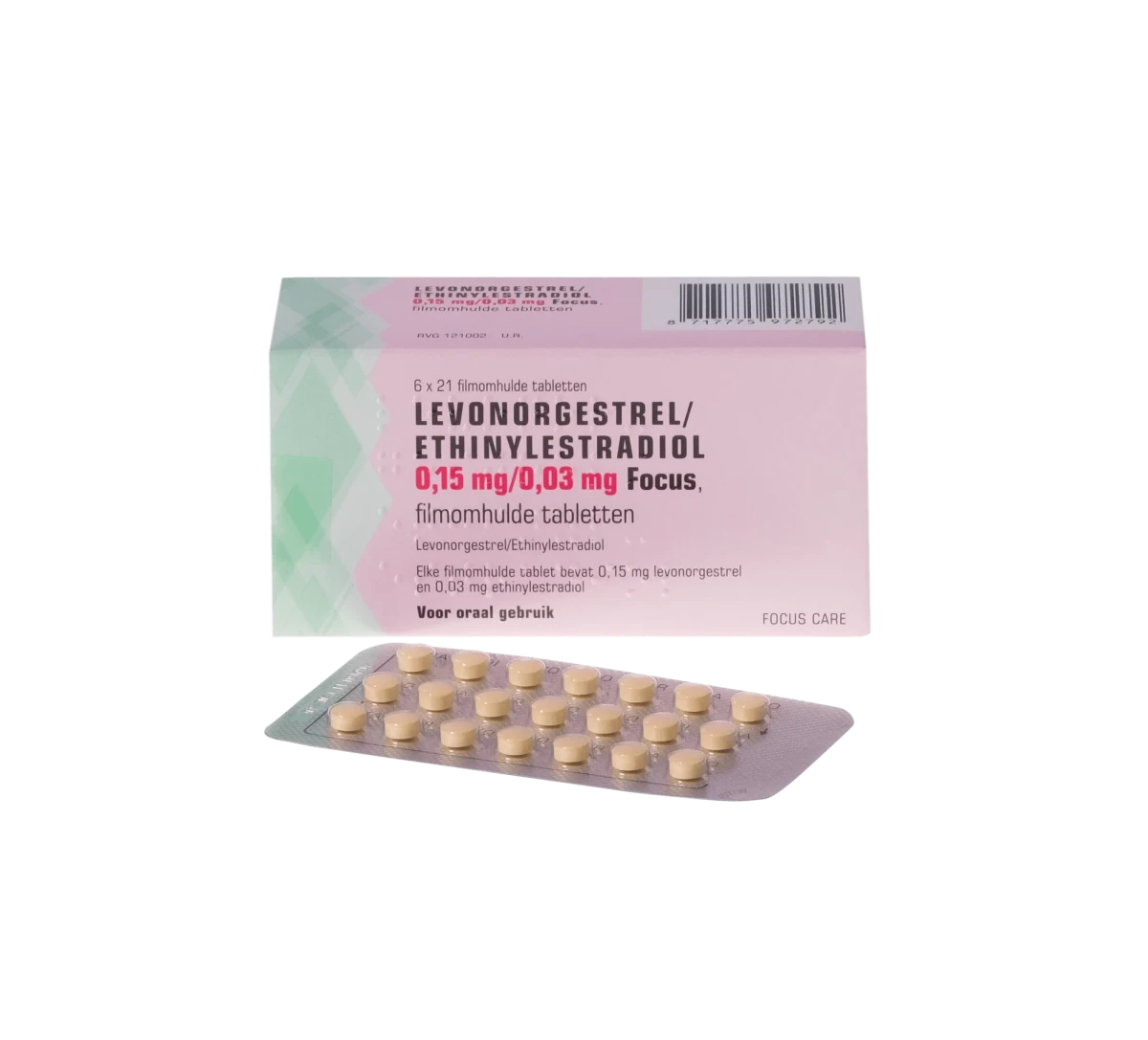
Combined oral contraceptive pills are one of the most commonly used methods of contraception. The products offered here contain ethinylestradiol combined with either desogestrel or levonorgestrel.

These hormonal contraceptives work by preventing ovulation and supporting effective pregnancy prevention when taken as prescribed. The most suitable option depends on individual health factors and medical suitability.

Who Should Use Contraception

Contraception may be suitable for individuals who wish to prevent pregnancy. The choice to use hormonal contraception depends on personal circumstances, medical history, and individual risk factors.

A medical assessment is used to determine whether combined oral contraceptive pills are appropriate, ensuring they can be used safely and effectively.

Treatments

Treatment refers to the use of combined oral contraceptive pills for pregnancy prevention. Different formulations are available, and the most suitable option depends on individual health factors and tolerance.

If side effects occur or preferences change, an alternative formulation may be considered following medical review. This helps ensure that contraception remains both effective and appropriate over time.

Why Contraception Is Important

Contraception holds significant importance for individuals, relationships, and society as a whole:
Empowerment: Contraception empowers individuals to plan their families, pursue education, careers, and personal goals, and make reproductive choices that align with their circumstances.
Health and Well-being: Access to contraception supports reproductive health by preventing unintended pregnancies, reducing the risk of maternal and infant health complications, and enabling healthier spacing between pregnancies.
Relationships: Contraception facilitates open discussions between partners about family planning, leading to stronger and more supportive relationships.
Societal Impact: Widespread use of contraception contributes to population stabilization, which in turn has positive effects on resources, environment, and economic development.
Choice and Control: Contraception enables individuals to choose the timing and number of children they want, ensuring that parenthood is a well-informed decision.

Contraception holds significant importance for individuals, relationships, and society as a whole:
Empowerment: Contraception empowers individuals to plan their families, pursue education, careers, and personal goals, and make reproductive choices that align with their circumstances.
Health and Well-being: Access to contraception supports reproductive health by preventing unintended pregnancies, reducing the risk of maternal and infant health complications, and enabling healthier spacing between pregnancies.
Relationships: Contraception facilitates open discussions between partners about family planning, leading to stronger and more supportive relationships.
Societal Impact: Widespread use of contraception contributes to population stabilization, which in turn has positive effects on resources, environment, and economic development.
Choice and Control: Contraception enables individuals to choose the timing and number of children they want, ensuring that parenthood is a well-informed decision.

Further Info

Further information about contraception and its use is available on the following information platform supported by the Royal Dutch Pharmacists Association (KNMP):

https://www.knmp.nl/ua-magazine/vrouwen-begeleiden-bij-gebruik-anticonceptiemiddelen

Biežāk uzdotie jautājumi

Is contraception only for preventing pregnancy?

No, contraception serves various purposes beyond preventing pregnancy. While its primary role is to prevent unintended pregnancies, some contraceptive methods offer additional benefits. For instance, hormonal contraception can help regulate menstrual cycles, reduce menstrual pain, and manage conditions like polycystic ovary syndrome (PCOS) and endometriosis. Certain types of hormonal contraception, such as birth control pills, may also contribute to clearer skin and decreased acne.

Can contraception protect against sexually transmitted infections (STIs)?

Most contraceptive methods are designed to prevent pregnancy and do not offer protection against sexually transmitted infections (STIs). However, the male and female condom are barrier methods that provide a degree of protection against STIs by preventing direct contact between bodily fluids. It's important to note that while condoms can reduce the risk of STIs, they are not foolproof. To ensure both pregnancy prevention and STI protection, combining condom use with another form of contraception is recommended.

Can I start using contraception at any time in my cycle?

Many methods can be started at different points in the menstrual cycle, but timing may affect immediate effectiveness. A healthcare professional can advise when to start a method and whether additional protection, like condoms, is needed during the first days.

Can I switch between different contraceptive methods?

Yes, it is possible to switch between different contraceptive methods based on your changing needs and preferences. However, the process of switching methods should be carefully managed with guidance from a healthcare provider. Transitioning from one method to another may require a strategic approach to ensure continuous and effective contraception. It's essential to have a consultation with a healthcare professional before making any changes to your contraceptive routine to ensure a smooth and safe transition.

Neatradi savu atbildi?

Nekautrējieties sazināties ar mums

Reģistrēts un regulēts ar.