



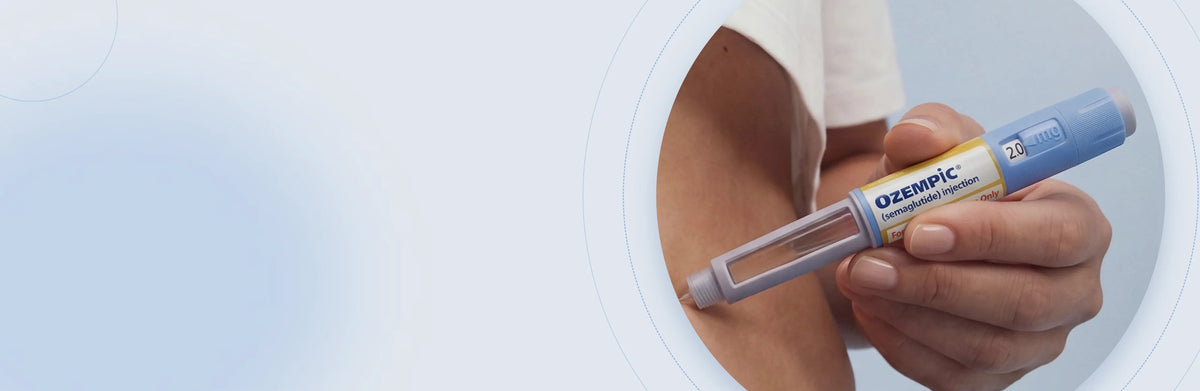
Prescription treatments developed to support weight management are attracting growing interest for effects that may extend beyond appetite regulation. Early research suggests these therapies could also play a role in reducing alcohol consumption for some people. This area is still being studied, but the findings could carry future public health implications.
Unexpected effects of weight management therapies
Initially authorised for conditions such as type 2 diabetes or obesity, some prescription medicines work by mimicking natural hormones that influence appetite regulation in the brain. Researchers are now exploring whether these medicines may also affect behaviours linked to cravings, including alcohol use.
A recent study followed more than 260 adults who received these treatments as part of a weight management programme. Among participants who regularly drank alcohol, many reported a noticeable reduction in weekly intake after several months of treatment. These self-reported changes are encouraging, but they need to be confirmed through larger controlled studies.
What is the link between cravings and weight management treatments?
Current thinking suggests these medicines may act on subcortical regions of the brain involved in cravings and the reward system. Some participants in early trials described reduced alcohol cravings as feeling “effortless,” suggesting the effect may occur without conscious effort. Researchers believe these therapies may interact with dopamine pathways, the brain’s reward-processing mechanism, which could make alcohol feel less appealing over time.
These treatments are also known to slow gastric emptying, which may contribute to slower alcohol absorption and a more muted effect.
Early evidence, open questions
These results are particularly notable given the well-documented public health impact of alcohol. Excessive alcohol use remains a major cause of preventable harm. If authorised weight management treatments are eventually shown to reduce alcohol consumption for some individuals, this could become an important area for clinical research.
However, it is essential to stress that current studies are still at an early stage. The data relies on personal reporting, includes no control groups, and a number of participants did not complete the trials. At present, these therapies are not authorised or approved to treat alcohol use disorder, and any potential benefit in this area remains hypothetical.
Conclusion
If you are considering support for weight management and you have questions about possible effects on other parts of your lifestyle, including alcohol consumption, discuss this with a qualified healthcare professional. Any treatment plan should be personalised to your health needs and goals, with appropriate medical oversight.
References
Le Roux, C. (2025). Weight-loss drugs cut alcohol intake by almost two-thirds, research in Ireland suggests. Medical Xpress. Link
Musto, J. (2025). Weight loss drugs could give you more control over your drinking. NewFood Magazine. Link
O’Farrell, M., et al. (2025). Glucagon-like peptide-1 analogues reduce alcohol intake. Diabetes, Obesity and Metabolism, 27(3), 1601–1604.


Share:
The French Diet Today: Pleasure, Tradition, and a New Public Health Challenge
How to Store Mounjaro: Complete Storage Guide | Medetone