




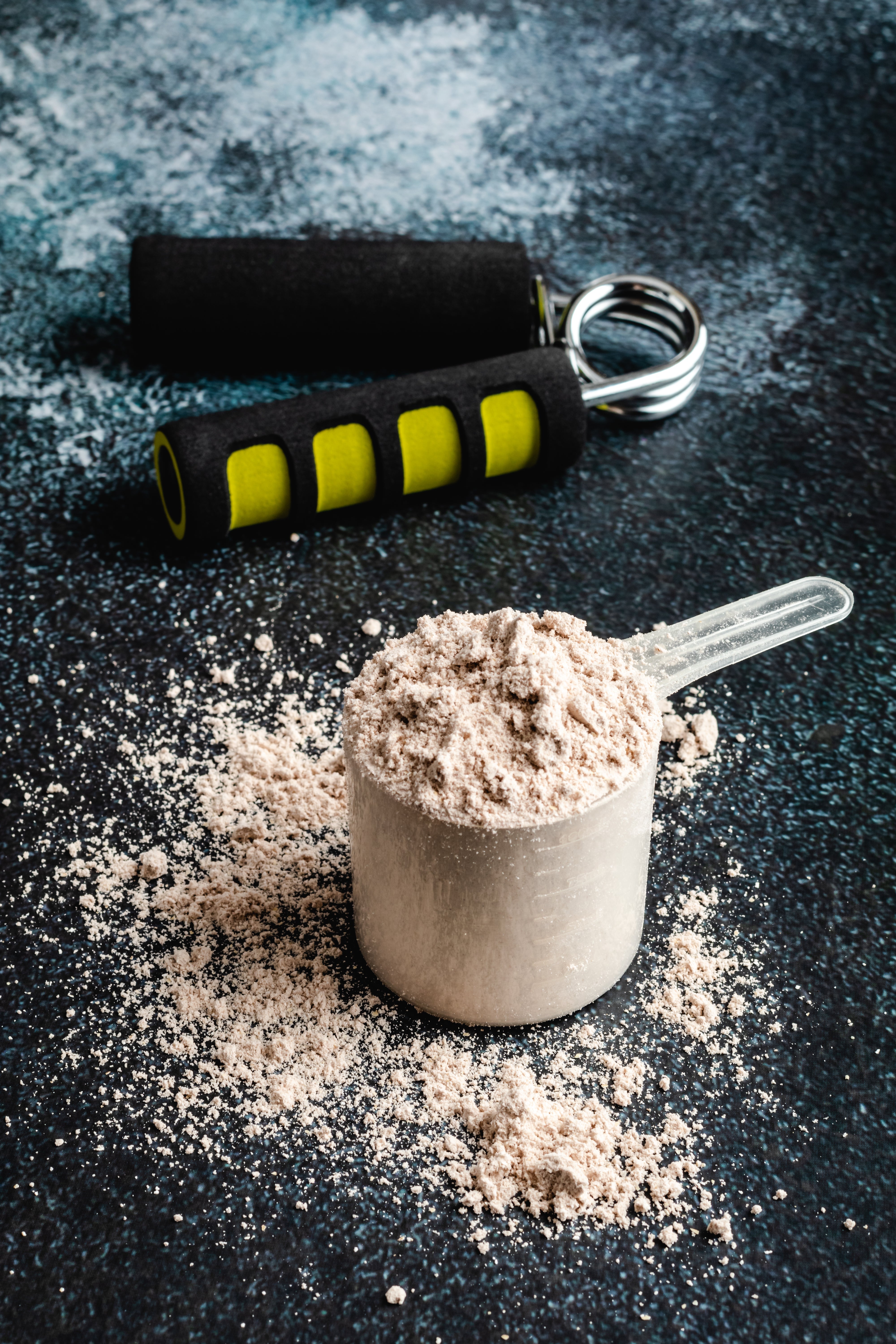
GLP-1 Receptor Agonists and Whey Protein: Why Protein Matters During Weight Loss
GLP-1 receptor agonists (glucagon-like peptide-1) have become widely used medications for weight management and for treating type 2 diabetes. Treatments such as semaglutide (Ozempic/Wegovy) and Mounjaro work by increasing insulin secretion, reducing appetite, and slowing gastric emptying. Because they can support significant weight loss, one practical priority becomes especially important: protecting muscle mass. This is where whey protein can play a useful role.
Understanding GLP-1 medications
GLP-1 medications mimic the effects of the body’s natural incretin hormone, GLP-1. They help regulate blood sugar and increase satiety, which typically leads to lower calorie intake and weight loss. While that can be highly effective, rapid weight loss can sometimes come with a downside: loss of lean mass, including muscle. Preserving muscle matters for metabolic health, physical strength, and overall wellbeing.
Why whey protein can help
Whey protein is a high-quality protein derived from milk during cheese production. It is rich in essential amino acids, including leucine. Leucine plays a key role in muscle protein synthesis, which is why whey is often used to help maintain or build muscle.
Many people struggle to eat enough protein day to day. When protein intake is too low during weight loss, the risk of muscle loss increases. If you are using a GLP-1 medication, optimising protein intake can help support muscle mass while appetite is reduced.
Research also suggests higher protein intake can help reduce hunger across the day. A small study in 2015 found that older women who ate a higher-protein breakfast consumed up to 135 fewer calories across the day than those who ate a lower-protein breakfast or skipped breakfast. A 2016 meta-analysis of five studies also linked higher protein intake with increased feelings of fullness, while noting that factors such as body weight, dietary habits, and health conditions influence satiety.
Why preserving muscle matters
Building and maintaining muscle supports a healthy metabolism because muscle tissue plays a role in energy use and metabolic regulation. This becomes especially relevant during a calorie-restricted diet. When calorie restriction is too aggressive, weight loss can include both fat mass and lean mass. Losing lean muscle can lower metabolic rate and increase the risk of weight regain after the diet ends.
On the other hand, adequate protein intake combined with resistance training can help protect against muscle loss and the metabolic slowdown that can come with it. For example, a 13-week study in older adults with obesity found that participants who consumed an additional 20 grams of protein per week in the form of a shake gained 1.3 kg more muscle mass than those with lower protein intake.
A scientific review from 2020 also suggests that a higher-protein diet in the 3 to 12 months after weight loss may help reduce weight regain.
Whey protein benefits for people using GLP-1 medications:
✅Muscle maintenance and support
GLP-1-related weight loss can increase the risk of losing muscle. Whey provides the amino acids needed for muscle protein synthesis, helping you maintain and potentially build muscle during weight loss.
✅Stronger satiety support
Whey protein is known for supporting satiety. Used as part of a meal or snack, it can complement the appetite effects of GLP-1 medications and help reduce overeating.
✅Metabolic health support
Muscle tissue is metabolically active and contributes to blood sugar regulation. Protecting muscle mass can support a healthier metabolism and may complement the blood sugar effects of GLP-1 treatment.
✅Easy to fit into daily life
Whey can be mixed into smoothies, oats, or simply shaken with water or milk, which makes it a practical option when appetite is lower or schedules are busy.
✅Nutrient density
Many whey supplements also contain added vitamins, minerals, or bioactive compounds designed to support overall health.
How to add whey protein to your routine?
Post-workout shake
Have a protein shake after exercise to support recovery and muscle maintenance. Aim for 20 to 30 grams of protein within 30 minutes after training.
Meal or snack support
Use whey as part of a meal replacement or snack to help you reach your protein target without excess calories. Pair it with healthy fats and carbohydrates to make it more balanced.
Before bed
A protein-rich snack before sleep may help support muscle protein synthesis overnight. Options include a small whey shake or yoghurt mixed with whey protein.
Conclusion:
If you are using a GLP-1 medication, adding whey protein can support key goals during weight loss: preserving muscle mass, improving satiety, and supporting metabolic health. Combining the appetite and weight-loss effects of GLP-1 treatment with adequate protein and muscle-strengthening exercise can support a more balanced, sustainable approach to weight management.



Share:
Beyond BMI: Why Body Fat Percentage May Be a Better Measure of Obesity
The French Diet Today: Pleasure, Tradition, and a New Public Health Challenge